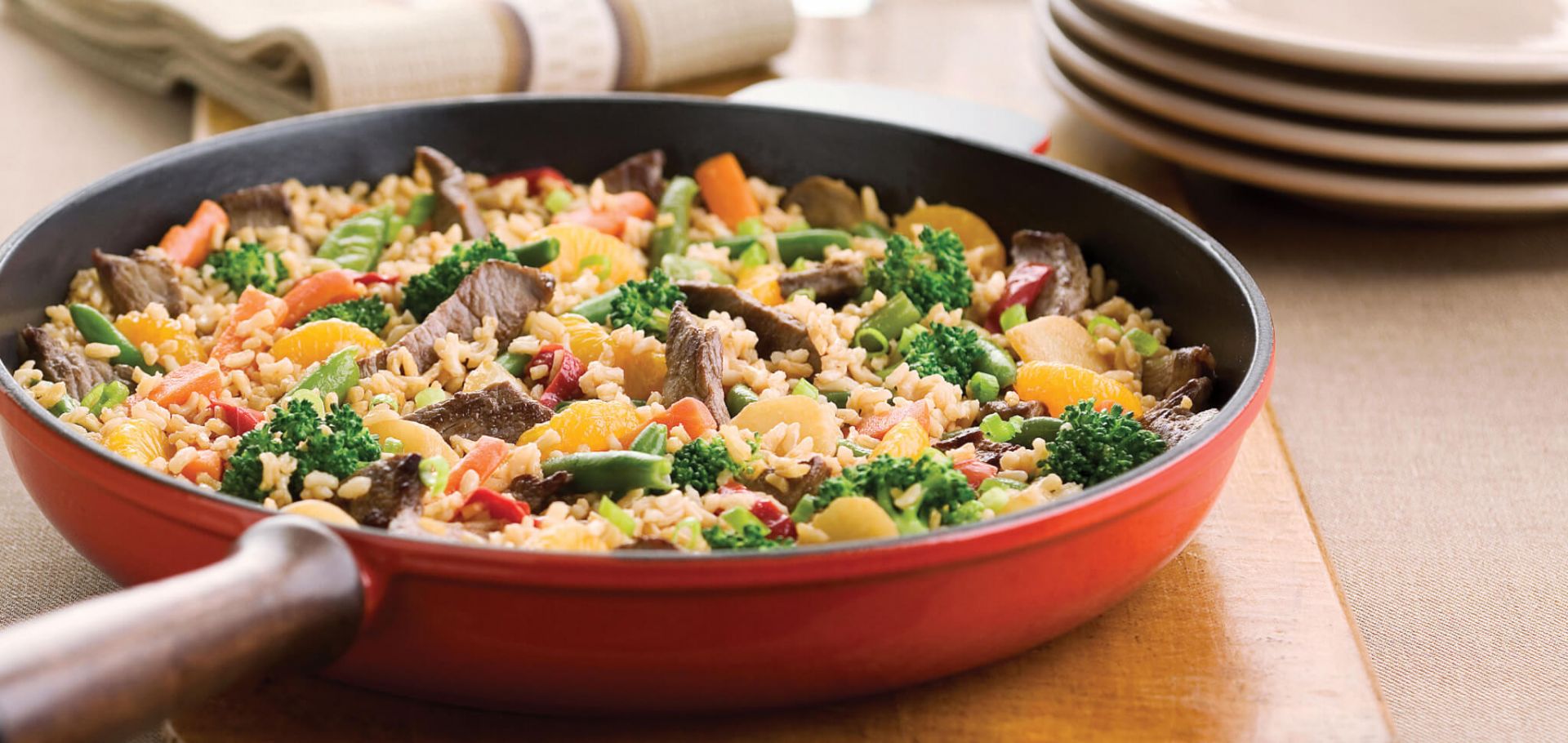
Why Your Kitchen is the New Best Chinese Restaurant for Beef Fried Rice
There's a universally acknowledged truth: the craving for sizzling, savory beef fried rice can strike at any moment. For many, this leads to reaching for a takeout menu, anticipating that familiar blend of tender beef, crisp vegetables, and perfectly seasoned rice. But what if we told you that achieving — and even surpassing — that "takeout flavor" is not only possible but also incredibly fast right in your own kitchen? Imagine a delicious, restaurant-worthy meal ready in about 20 minutes, giving you a one-pan dinner that everyone will rave about. The beauty of homemade beef fried rice lies in its unparalleled freshness and your complete control over every ingredient. Forget mystery oils or excessive sodium; here, you dictate the quality of your steak, the vibrancy of your veggies, and the perfect balance of your soy-sesame sauce. This isn't just about cooking; it's about crafting a meal that perfectly suits your taste, dietary preferences, and even your desire to clear out the fridge. Remember that first time the aroma of garlic, sizzling beef, and soy sauce filled your home, bringing everyone to the table before you even called? That's the magic of a homemade batch – a moment that transforms a simple dinner into a comforting, permanent favorite.Mastering the Fundamentals: Ingredients and Prep for Perfect Beef Fried Rice
The journey to truly exceptional beef fried rice begins long before the pan hits the heat. Thoughtful ingredient selection and meticulous preparation are the cornerstones of a dish that's "better than takeout."Choosing the Right Cut: Tenderness is Key
The star of our dish, the beef, demands careful consideration. The goal is tender, flavorful pieces that cook quickly and seamlessly integrate into the fried rice.- Flank Steak and Sirloin: These are often the top choices. They’re lean, pack a good flavor punch, and hold up beautifully to the high heat of a stir-fry. When sliced correctly, they deliver that desirable chew without being tough.
- Ribeye: For a more indulgent experience, thinly sliced ribeye offers a richer flavor and melt-in-your-mouth tenderness due to its higher fat content.
- Ground Beef: A practical and budget-friendly alternative. While it won't give you the distinct slices, it still delivers fantastic flavor and makes for a hearty, comforting dish.
The Secret to Tender Beef: Velveting
This traditional Chinese technique is a game-changer for tougher cuts of beef, guaranteeing a silky, moist texture that elevates your fried rice from good to extraordinary. Velveting involves mixing thinly sliced beef with a blend of cornstarch, oil, and often a dash of soy sauce. The cornstarch forms a protective coating, locking in moisture as the beef cooks, while the oil helps distribute heat evenly and prevent sticking.Allowing the beef to stand for just 15-30 minutes after coating makes a remarkable difference. Don't skip this step! It's a small investment of time for a huge return in tenderness and flavor, a true mark of restaurant-quality beef fried rice.
The Golden Rule of Fried Rice: Cold, Day-Old Rice
While it might seem counterintuitive, using cold, day-old rice is perhaps the single most important rule for perfect fried rice. Freshly cooked, warm rice retains too much moisture, leading to a mushy, clumpy result when stir-fried. Cold rice, on the other hand, is drier and firmer, allowing individual grains to separate beautifully, absorb the sauces, and develop those coveted slightly crispy edges.Pro Tip: If you're planning fried rice, cook your rice a day ahead and store it in the refrigerator. If you forget, spread freshly cooked rice on a baking sheet to cool and dry out for about an hour before using.
A Rainbow of Freshness and Flavor
Veggies add vital texture, color, and nutrients to your beef fried rice. While classics are always welcome, feel free to customize based on what you have on hand.- Aromatics: Garlic and onion are non-negotiable for building a savory base. Adding a touch of fresh ginger can introduce another layer of aromatic warmth.
- Classic Veggies: Frozen peas, diced carrots, and corn kernels are staples for their ease and sweet crunch.
- Customizable Additions: Shredded cabbage, snow peas, sliced bell peppers, broccoli florets, or even chopped mushrooms can elevate the dish. Just ensure they are cut into small, uniform pieces for quick cooking.
The Sizzle and Sauce: Crafting Unforgettable Beef Fried Rice Flavor
With your ingredients prepped, it's time to bring the heat and unleash the magic of the wok or skillet, transforming simple components into extraordinary beef fried rice.High Heat, Quick Cook: The Wok or Skillet Advantage
Cook your ingredients in batches if necessary, especially the beef. Overcrowding the pan will lower the temperature, causing ingredients to steam rather than sear, resulting in a less flavorful, soggy dish. Start with the beef, searing it quickly until browned, then remove it and cook your aromatics and harder vegetables, followed by softer ones, before finally adding the rice and eggs.
The Umami Blend: Soy, Sesame & Beyond
The sauce is the soul of beef fried rice, pulling everything together into a savory, restaurant-worthy meal. While soy sauce and toasted sesame oil are the undeniable stars, a few additional components can deepen the umami and create a truly complex flavor profile.- Soy Sauce: Use both light and dark soy sauce if possible. Light soy provides the primary salty, umami flavor, while a touch of dark soy sauce adds a beautiful, rich color and a slightly sweeter, more robust flavor without adding excessive salt.
- Toasted Sesame Oil: This is a finishing oil, added right at the end for its intensely nutty aroma and flavor. A little goes a long way!
- Oyster Sauce: For an extra layer of savory richness and a hint of sweetness, a tablespoon of oyster sauce is a fantastic addition.
- Sugar: A pinch of sugar (white or brown) helps balance the saltiness of the soy sauce and enhance the overall savoriness.
- White Pepper: A classic Chinese seasoning, white pepper adds a subtle kick and authentic flavor.
The Egg Factor
Eggs add richness and another layer of protein to your beef fried rice. You have a couple of options for incorporating them:- Scramble them separately in a hot pan and set aside, then add them back in with the rice.
- Push the cooked vegetables and beef to one side of the pan, add a little more oil to the empty space, and scramble the eggs directly in the pan before mixing them into the rice.
Tips for Success and Customization
Making amazing beef fried rice is incredibly rewarding. Here are some extra tips to ensure your success and encourage endless customization:- Choose the Right Oil: Use a neutral oil with a high smoke point, such as vegetable oil, canola oil, or grapeseed oil, for stir-frying. Olive oil is generally not recommended due to its lower smoke point.
- Control the Spice: For those who love a kick, add sriracha, chili garlic sauce, or a pinch of red pepper flakes with the aromatics or stir into the finished dish. For a deeper dive into tender beef techniques and secret sauce recipes, explore our guide on Mastering Homemade Beef Fried Rice: Tender Beef & Secret Sauce.
- Embrace Leftovers: This recipe is a fantastic way to use up bits of leftover steak, roasted vegetables, or even a lonely egg. It's a true "clean out the fridge" champion.
- Garnish for Flair: A sprinkle of fresh green onions (scallions) or cilantro adds a vibrant touch and fresh flavor just before serving. A drizzle of extra toasted sesame oil or a sprinkle of toasted sesame seeds can also enhance the presentation and taste. Looking for more ways to adapt this dish to your family's tastes? Our article, Easy Weeknight Beef Fried Rice: Customizable & Family-Loved, offers endless inspiration.
